Why Your Standard Recliner Never Feels Right (And What Actually Works for Big & Tall)
Yeah, I’ve been there. I’m 6’2″, 260 lbs, and for years I thought “one size fits all” actually meant one size fits me. Spoiler alert: it doesn’t. I’ve bought and returned more recliners than I care to admit. Some claimed to be “oversized” but had the same 20-inch seat as every other chair. Others had weight capacities that were clearly wishful thinking.
Then I discovered the Maston Home Oversized Power Recliner. And honestly? It’s the first chair that made me feel like furniture companies actually remembered big and tall guys exist. If you’re hunting for a recliner built for heavy people, stick around — this review covers everything I learned after two months of daily use.
1. Why Standard Recliners Fail Big & Tall Users
Let’s talk about what actually goes wrong when a big dude sits in a standard recliner.
First, the seat width. Most mainstream recliners have a seat width between 18 and 20 inches. For context, that’s roughly the width of an airplane seat — and we all know how fun those are. When you’re my size, sitting in a 20-inch seat means your thighs are compressed, your arms don’t rest naturally, and after 20 minutes you’re constantly shifting around trying to find a position that doesn’t cut off circulation.
Then there’s the weight capacity. Plenty of chairs claim they “hold up to 250 lbs.” Sure, they might not collapse immediately. But sit in one for a few weeks and you’ll start hearing creaks, feeling wobbles, and noticing the cushion compress permanently. It’s not just about safety — it’s about whether the chair actually works for your body long-term.
Manual recline mechanisms are another pain point. When you’ve got a larger frame, pulling that side lever requires more leverage, more core strength, and sometimes a frankly embarrassing amount of grunting. My knees and lower back aren’t getting any younger, and fighting with a recliner every time I want to kick back shouldn’t count as my workout for the day.
And here’s a modern problem: your phone dies mid-episode, and the nearest outlet is across the room. So you either get up and lose your perfect recline angle, or you watch your battery tick down to 3% while praying the season finale loads.
According to the CDC, over 42% of American adults fall into the “obese” category — and that’s just one end of the big-and-tall spectrum. There are plenty of tall, athletic-built folks who also don’t fit standard furniture. Yet the market is flooded with 20-inch seats pretending to work for everyone. Something had to change.
2. Maston Home Oversized Power Recliner: What Makes It Different
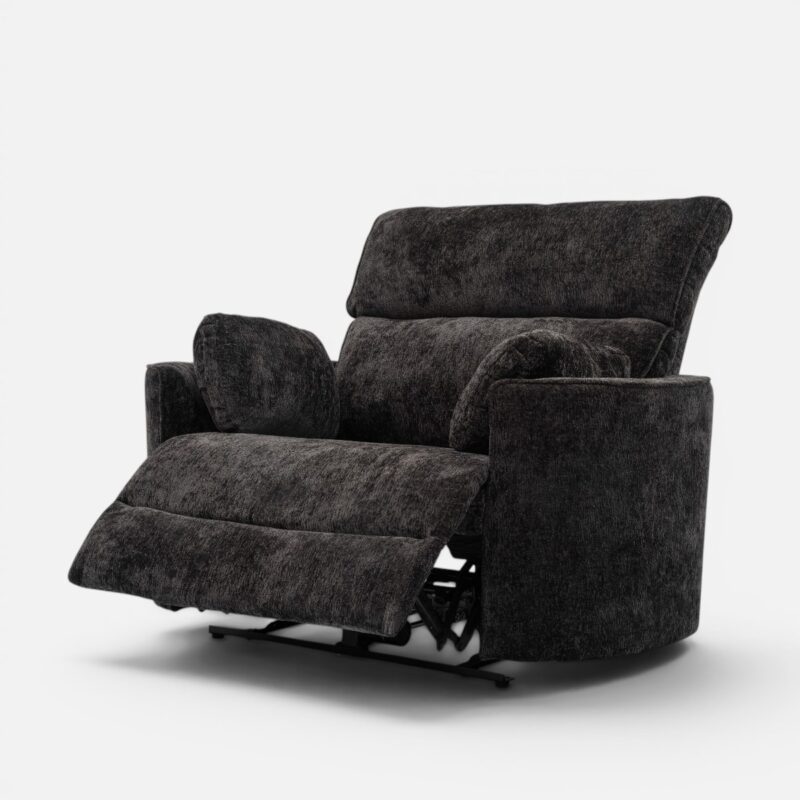
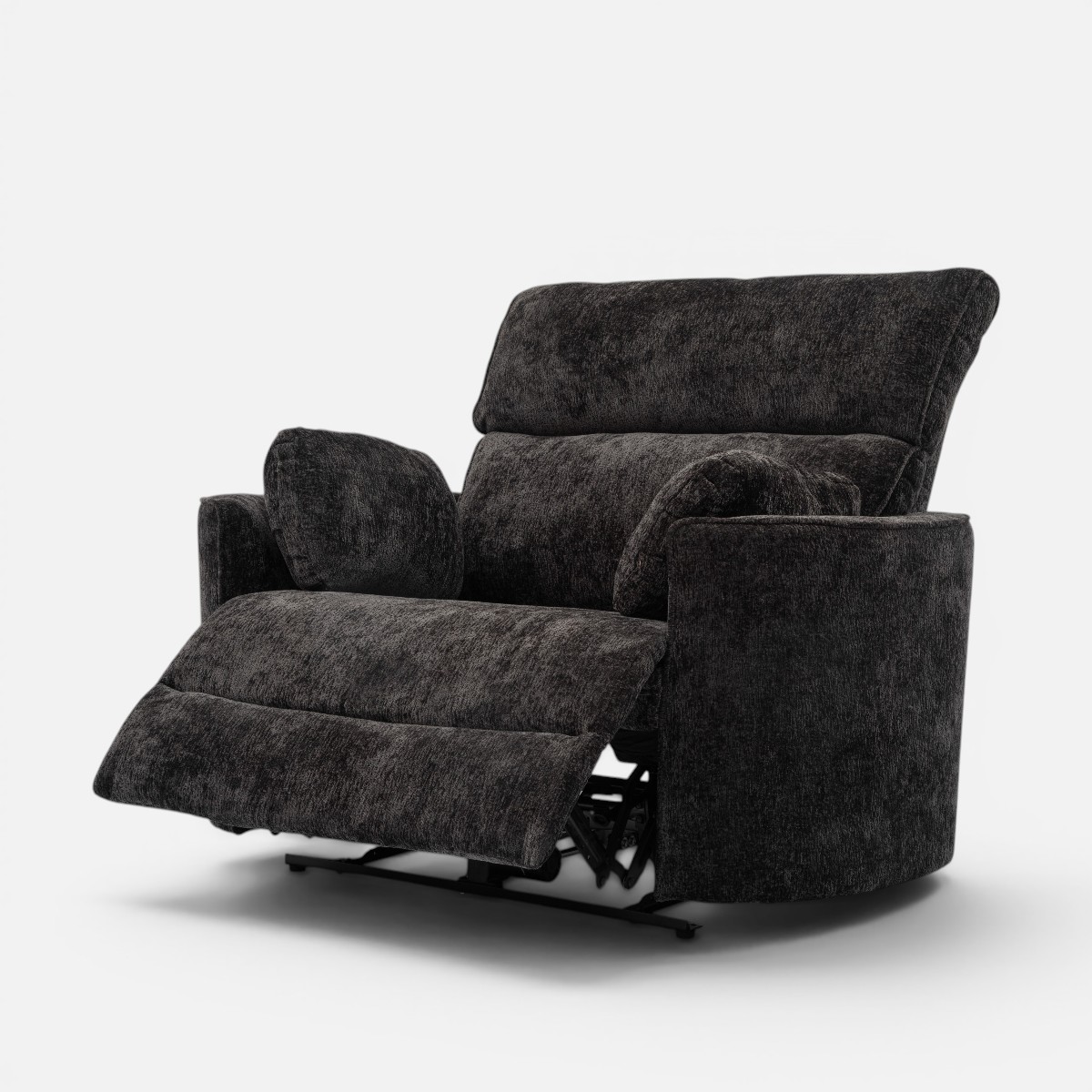
The Maston Home oversized power recliner is built on a simple premise: big bodies deserve big comfort. It’s engineered from the frame up for users who need more room, rather than simply taking a standard design and adjusting the marketing. After living with it for about two months, here are the features that stood out:
1. A 32.7″ Extra-Wide Seat — Finally, Room to Breathe
This was the game-changer for me. A standard recliner seat is around 20 inches. This one is 32.7 inches — over 60% wider. I can actually sit with my legs apart naturally. I can shift positions without feeling like I’m wedged in. For the first time, I have a chair where “relaxing” doesn’t mean “squeezing myself into something too small.”
2. 400-550 lb Weight Capacity with a Solid Metal Frame
The frame is metal, not particle board or cheap composite. At 260 lbs, I sit down and the chair doesn’t flinch — no groaning, no shifting, no worrying about whether today’s the day it gives out. The 400-550 lb capacity means even if you’re on the heavier end, you’ve got real margin. This isn’t marketing fluff; you can feel the heft when you try to move it.
3. Power Reclining to 160° — Smooth, Quiet, Effortless
There’s a button on the side of the armrest. Press it, and the back reclines while the footrest rises simultaneously. The motion is smooth and whisper-quiet — no jolts, no sudden drops. It goes to 160°, which is nearly flat. Perfect for napping, reading, or settling in for a three-hour movie marathon. After dealing with manual levers for years, power reclining feels like upgrading from a flip phone to a smartphone.
4. Built-In USB Charging Port
Small feature, huge quality-of-life upgrade. The USB port is built right into the side of the chair. My phone stays charged while I stream, scroll, or video chat. No more stretching extension cords across the living room or choosing between comfort and battery life.
5. Linen Upholstery in Four Colors
Available in beige, black, brown, and gray. I went with beige — warm, neutral, blends nicely with my living room setup. The linen fabric breathes better than leather, which matters if you run warm or live somewhere with real summers. (Looking at you, Texas and Florida.) It’s soft to the touch and doesn’t stick to your skin like vinyl or cheap faux leather.
6. 3-Year Warranty and 30-Day Returns
Three years of coverage is solid for this price range. The 30-day hassle-free return policy means you can actually try it in your space without gambling. Plus, they offer free local shipping, which is nice because this thing is heavy — shipping fees on a chair this size could easily hit a hundred bucks elsewhere.
3. What to Look for When Buying an Oversized Recliner
Not every chair marketed as “oversized” or “big and tall” actually delivers the space and support larger users need. After years of buying and returning recliners that didn’t live up to their labels, I’ve learned which specs actually matter — and which marketing claims to approach carefully.
Watch Out for “Oversized” Labels on Standard Frames
One of the most common issues you’ll run into is a chair advertised as “oversized” or “XL” that still uses a standard 20- to 25-inch seat width. For context, that’s roughly the width of an airplane seat. If you’re over 220 lbs or have broad shoulders, anything under 28 inches will likely feel tight after a few minutes. For genuine comfort, I recommend looking for a seat width of at least 30 inches. The Maston Home’s 32.7-inch seat is what finally solved the squeeze problem for me.
Verify the Weight Capacity and Frame Material
Weight ratings can sometimes be misleading. A chair might list a 250-lb capacity and technically hold up under static testing, but daily use by a heavier user will often reveal weak points — creaking frames, sagging cushions, and wobbly bases over time. I suggest looking for chairs with a stated capacity of at least 350 lbs, and paying close attention to frame construction. A solid metal frame offers noticeably better stability than particle board or composite materials. The Maston Home’s 400-550 lb rating and metal frame gave me confidence that the chair was built for actual daily use.
Power Recline vs. Manual Recline
For larger users, the type of recline mechanism makes a significant difference in daily comfort. Manual levers often require substantial core strength and leverage, which can strain the back, shoulders, and knees with repeated use. Power recline, operated by a simple side button, allows for smoother, more effortless adjustment to your preferred angle. It also lets you stop at any position between upright and fully reclined, rather than being limited to preset notches. After switching to power recline, I found myself using the recliner function far more often.
Don’t Overlook the Small Details
Features like built-in USB charging, breathable upholstery, and adequate wall clearance might seem secondary, but they have a real impact on long-term satisfaction. Linen upholstery, for example, tends to stay cooler than leather or vinyl in warm weather and doesn’t stick to your skin. And if you plan to stream or work from your chair, a built-in USB port eliminates the inconvenience of stretching extension cords across the room.
✅ Big and tall users who want electric recline, extra width, and modern conveniences like USB charging
✅ People weighing 200+ lbs or over 6 feet tall
✅ Anyone tired of squeezing into standard-sized furniture
❌ Not For:
❌ People who need a lift chair for mobility assistance
❌ Anyone wanting massage/heat features
❌ Very small spaces (you need room for a 65.8″ fully reclined depth)
❌ Those seeking a full 180° flat recline
4. Real-World Usage Scenarios & Setup Guide
Scenario 1: Weekend Sports Marathons
College football Saturdays are sacred in my house. I park in this chair by noon and don’t get up until the late game ends. The wide seat lets me angle sideways, stretch out, or even fold one leg up. Phone stays plugged into the USB port. When halftime hits and I want to lean back, one button and I’m at the perfect angle. This is what weekends were meant to feel like.
Scenario 2: The Post-Lunch Power Nap
I never used to nap in recliners because they never actually got comfortable enough. This one reclines to 160°, which is close enough to flat that I can genuinely fall asleep. The linen stays cool, so I don’t wake up sweaty. A 20-minute nap in this thing honestly rivals my bed for comfort — though I’d still recommend a small neck pillow if you’re a frequent napper.
Scenario 3: Winding Down After Work
I work from home most days, and my Maston Home sits in the corner of my home office. Around 5:30, I switch from desk chair to recliner, put on a podcast, and decompress for 30 minutes before dinner. The power recline means I don’t have to exert much energy to get comfortable — exactly what my brain and body need after a long day.
Setup Guide:
- Unbox with help. The chair ships in two main pieces (back and base). It’s heavy — really heavy — so grab a second person.
- Attach the back. Slide the backrest onto the base until it clicks into place. You’ll hear a solid locking sound.
- Plug it in. Find a nearby outlet. The power cord is roughly 6 feet long, so plan accordingly.
- Test the controls. Before you get comfortable, run the recline up and down once to make sure everything moves smoothly.
- Check your spacing. Leave at least 18.9 inches between the back of the chair and the wall. Fully reclined, this chair needs 65.8 inches of depth.
Total setup time: about 15 minutes. The hardest part is carrying the box inside — seriously, get help.
5. What Most People Get Wrong About Recliner Sizing
If you’re shopping for an extra wide recliner chair 30+ inch seat, there are three measurements that matter way more than most people realize:
Seat Width Matters Most
This is the number one spec big guys ignore — usually because manufacturers bury it. Anything under 28 inches is going to feel tight if you’re over 220 lbs or broad-shouldered. For true comfort, I wouldn’t go below 30 inches. The Maston Home’s 32.7″ is the widest I’ve found in this price range, and the difference between 28″ and 32.7″ is night and day.
Seat Depth Determines Thigh Support
A seat that’s too shallow leaves your thighs unsupported, which cuts off circulation and causes numbness. At 21.7 inches, this chair supports my entire leg from hip to knee. If you’re over 6 feet tall, look for at least 21 inches of seat depth.
Seat Height Affects How Easily You Can Stand Up
Lower chairs force you to use more leg strength to get up — and if you’re heavy or have knee issues, that’s not ideal. The 24.8″ seat height on this model makes standing up feel natural, almost effortless. If you’ve ever felt stuck in a low-slung recliner, you know exactly what I’m talking about.
6. Frequently Asked Questions (FAQ)
Q: What weight capacity should I look for in a recliner?
Choose a chair rated for at least 100 lbs more than your actual body weight. This gives you a safety margin and helps ensure the frame and mechanism hold up over time. At 400-550 lbs, the Maston Home accommodates most big and tall users comfortably.
Q: How wide should a recliner seat be for big and tall users?
For anyone over 220 lbs or with broad shoulders, 30 inches should be your minimum. The Maston Home’s 32.7″ seat is considered extra-wide and offers significantly more comfort than standard 20-25″ seats. If you’re unsure, measure your hips and add at least 4-6 inches for comfortable clearance.
Q: Power recliner vs. manual recliner — which is better for larger users?
For larger users, power recliners generally offer significant advantages. Manual levers often require substantial core strength and leverage, which can strain the back and shoulders over time. Power recline provides smoother, more precise angle control with minimal physical effort. While power recliners typically cost more, many big and tall users find the added convenience and comfort justify the investment.
Q: How much wall clearance does a recliner need?
The Maston Home requires 18.9 inches of wall clearance because the backrest moves backward as it reclines. Fully extended, the chair reaches 65.8 inches in depth. Be sure to measure your space before ordering — this is not a compact chair.
Q: Is linen or leather better for recliner upholstery?
It depends on your climate and lifestyle. Linen (like the Maston Home uses) is breathable, soft, and stays temperature-neutral. Leather looks premium and wipes clean easily, but can feel sticky in summer and cold in winter. If you run hot, have pets, or prioritize breathability, linen may be the more comfortable choice.
Q: What’s the difference between a recliner and a lift chair?
A recliner lets you lean back and raise your feet for relaxation. A lift chair has an additional motorized mechanism that tilts the entire chair forward to help the user stand up. The Maston Home is a recliner, not a lift chair. If you need standing assistance, you’ll want a dedicated lift chair instead.
Conclusion & Where to Buy
After two months of daily use, the Maston Home Oversized Power Recliner has earned its spot as my go-to relaxation spot. The 32.7″ seat width is genuinely life-changing if you’ve been cramming yourself into standard chairs. The 400-550 lb capacity feels rock-solid. And features like power recline and a USB port are those “small things” that add up to a much better everyday experience.
At $1,390.26, it’s an investment — but when you amortize that over years of daily use, it starts to look pretty reasonable. This is the kind of purchase where “buy once, cry once” actually applies. Many lower-priced recliners marketed to big and tall users often compromise on frame strength or seat dimensions, which can result in an uncomfortable fit or a shorter usable lifespan. This one fits, lasts, and genuinely improves your downtime.
🛒 Ready to Stop Squeezing Into Furniture That Wasn’t Made for You?
Check out the Maston Home Oversized Power Recliner — available in 4 colors with free shipping 👇
Got questions about sizing, setup, or how it compares to something else I didn’t cover? Drop a comment below and I’ll do my best to help. And if you found this review useful, share it with someone who needs a chair that actually fits — lord knows we’ve all got that one friend still suffering in a too-small recliner.
Here’s to better seating, my fellow big guys. We deserve it.