H1 — Main Page Heading
H2 — Primary Section Heading
H3 — Secondary Section Heading
H4 — Content Group Heading
H5 — Supporting Heading
H6 — Smallest Standard Heading
H7 — Custom Heading Style
P — This is a standard paragraph. It demonstrates the default font size, line height, colour, letter spacing, and spacing between paragraphs.
P — This paragraph contains
a standard text link,
strong text,
bold text,
emphasised text,
italic text,
underlined text,
highlighted text,
deleted text,
inserted text, and
small text.
This line demonstrates subscript H2O, superscript x2,
an abbr, inline
code text, and a short quotation:
Good design should feel effortless.
Unordered List — UL / LI
- First unordered list item
- Second unordered list item
-
Third item with a nested list
- Nested list item one
- Nested list item two
Ordered List — OL / LI
- First ordered list item
- Second ordered list item
-
Third item with a nested list
- Nested ordered item one
- Nested ordered item two
Blockquote
A well-designed room quietly makes everyday life feel more comfortable, useful, and complete.
— MASTONHOME Design Notes
Definition List — DL / DT / DD
- Definition term
- This is the description associated with the definition term.
- Second definition term
- This is another example of definition list content.
Preformatted Text and Code
Room formula:
1 focal piece
2 complementary materials
3 levels of lighting
Horizontal Rule — HR
MASTONHOME EDITORIAL · TYPOGRAPHY STYLE GUIDE
The Complete Guide to Creating a Thoughtful Home
A thoughtful home is not created all at once. It develops gradually through the furniture we choose, the materials we touch, and the everyday rituals that make a space feel personal. At MASTONHOME, we believe good design should bring together comfort, function, and lasting beauty.Begin with the way you live
Before choosing furniture, colour, or decoration, consider how the room needs to work. A beautiful space should support your daily routine while leaving enough flexibility for life to change. Pay attention to where you naturally sit, where sunlight enters the room, and which objects you reach for most often. These small observations reveal more about your needs than any passing trend.Notice your daily rhythm
A living room may need to support conversation, relaxation, entertainment, and occasional work. Instead of designing around a single photograph, design around the activities that happen there every day.Create a comfortable foundation
Begin with the largest furniture pieces and allow enough open space around them. Good proportions help a room feel calm, practical, and easy to use.Material considerations
Natural wood, woven textiles, stone, glass, and metal respond differently to light. Combining contrasting surfaces gives a neutral room depth without making it feel busy.Care instructions
Always follow the manufacturer’s care instructions and test cleaning products on an inconspicuous area first.Inline text styles
This is normal paragraph text used for the main content of an article. This sentence contains strong importance and visually bold text. This sentence contains emphasised text and visually italic text. This sentence contains underlined text,Good design should feel effortless.A creative work can be referenced with a citation: The MASTONHOME Design Journal. Product information may include the value MH-2026-001 and the publication date . A deliberate line break appears here. This text begins on a new line without creating a new paragraph. A long word can include a possible break point: interior
Block quotation
A well-designed room does not ask for attention. It quietly makes everyday life feel more comfortable, useful, and complete. — MASTONHOME Design Notes
Unordered lists
Use an unordered list when the sequence of the items is not important.- Comfort and softness
- Storage and organisation
- Durability and easy care
- Natural and lasting materials
Nested unordered list
- Living room
- Sofa and lounge seating
- Coffee and side tables
- Lighting and accessories
- Dining room
- Dining table
- Dining chairs
- Storage cabinets
Ordered lists
Use an ordered list when the sequence of the items is important.- Measure the room and all access points.
- Establish the main furniture layout.
- Add practical lighting for different times of day.
- Introduce texture through textiles and natural materials.
- Finish with personal objects, artwork, and greenery.
Nested ordered list
- Plan the room
- Measure the available space.
- Identify doors and walkways.
- Mark the furniture dimensions.
- Choose the furniture
- Select the main focal piece.
- Add supporting furniture.
- Review the overall proportions.
Mixed nested lists
- Choose the main furniture
- Start with the sofa or dining table.
- Check its dimensions.
- Confirm the material and colour.
- Add supporting pieces
- Select side tables.
- Add lighting.
- Introduce decorative objects.
Definition list
A definition list is useful for materials, terminology, specifications, and frequently used product information.- Solid wood
- A natural material valued for its character, strength, and ability to develop a distinctive patina over time.
- Natural fibres
- Materials such as linen, wool, cotton, and jute that introduce softness, texture, and warmth.
- Powder-coated metal
- A durable metal finish that provides a clean appearance and resistance to everyday wear.
Image and caption
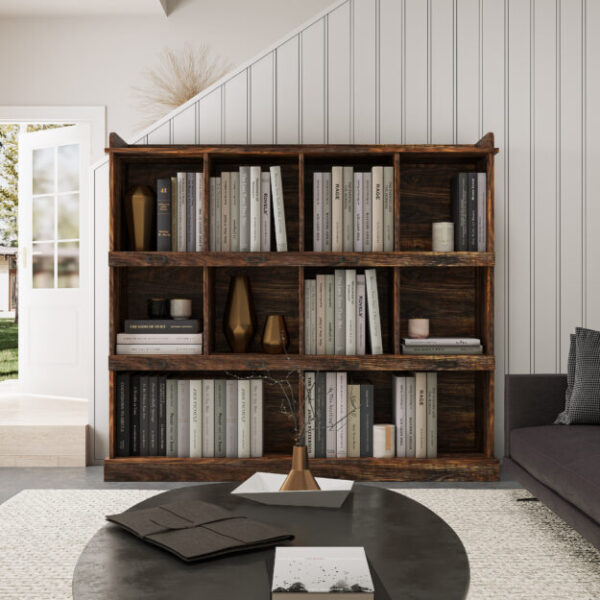
Table styles
Tables can be used to compare product information, measurements, materials, or recommendations.| Space | Primary focus | Useful qualities |
|---|---|---|
| Living room | Comfort and conversation | Soft seating, flexible lighting, practical storage |
| Dining room | Gathering and sharing | Durable surfaces, comfortable chairs, warm lighting |
| Bedroom | Rest and quiet | Natural textiles, reduced clutter, gentle colours |
| Home office | Focus and productivity | Supportive seating, task lighting, organised storage |
| Recommendations should always be adapted to the size and function of the individual room. | ||
Code and technical text
Inline code may be used for product measurements such asW 120 × D 60 × H 75 cm.
Keyboard instructions may use
Command + P.
A program result may be displayed as
Product successfully added to your collection.
A variable may be written as room width ×
room length.
Room formula:
1 focal piece
2 complementary materials
3 levels of lighting
Enough open space to move comfortably