A sofa can feel comfortable during a quick sit and still leave you disappointed with how its seats hold up. Labels such as “premium foam” offer little help when you are trying to compare what is actually inside the cushions.
That uncertainty makes it easy to pay for a feel you like without understanding the construction behind it. Choosing the best foam for sofa cushions starts with a few practical questions about the foam, the seat design, and how you will use the sofa.
TL;DR: For a frequently used sofa, documented high-resilience polyurethane foam is worth comparing, alongside other upholstery-grade foams with suitable density, firmness, and thickness. Check the complete seat construction before choosing a model; if an L-shaped velvet design suits your room, explore the MastonHome 100-inch sectional with ottoman and request its cushion specifications.
What Foam Is Best for Long-Term Sofa Use?
There is no single foam specification that guarantees a lasting, comfortable sofa. A useful starting point is an upholstery-grade polyurethane seat core with disclosed specifications, including an HR option when available.
The Polyurethane Foam Association’s glossary describes high-resilience foam as having greater surface resilience and a high support factor compared with conventional foam. That makes HR a category worth investigating, but the label should come with details about the actual material used.
Ask the seller to identify the main seat core separately from any soft surface layer or cushion wrap. You want to know what carries the load, not just what creates the initial plush feel.
Foam Density, Firmness, and Resilience Are Different
Sofa descriptions often put these terms close together, making them sound interchangeable. They answer different questions.
| Property |
What it describes |
What to ask the seller |
| Density |
Mass per unit volume, commonly expressed in pounds per cubic foot (PCF) |
What is the density of the main foam core? |
| Firmness |
Resistance to indentation under stated test conditions, often reported as IFD or ILD |
What firmness was specified, and how was it tested? |
| Resilience |
Springiness, commonly evaluated through a rebound test |
Is this documented HR foam or a general marketing description? |
| Support factor |
How resistance changes as foam is compressed more deeply |
Is deep-support information available? |
| Fatigue performance |
Changes after repeated loading |
Are there test results for firmness or height loss? |
The PFA’s foam performance guidance distinguishes these properties. A firm cushion is not automatically dense, and a springy cushion is not automatically proven to last a particular number of years.
When comparing two sofas, write down the specifications and keep your comfort impressions in a separate column. “This feels firmer” and “this has a higher stated core density” are different observations.
Which Foam Categories Should You Compare?
Conventional Polyurethane Foam
Conventional flexible polyurethane foam is a broad material category with different grades and specifications. Evaluate the actual core rather than dismissing or approving a sofa because its description simply says “polyurethane.”
Ask whether the listed specifications refer to the seat core, back cushion, or another component. A figure for one part does not describe the whole sofa.
High-Resilience Foam
HR foam is a type of flexible polyurethane foam, rather than a separate category outside polyurethane. If you prefer a responsive seat, include documented HR options in your comparison.
“High resilience” and “high density” describe different attributes. Ask for both the foam grade and its density instead of assuming one phrase confirms the other.
Layered Cushions and Memory-Foam Options
Some cushions combine several materials rather than using one uniform core. The PFA glossary identifies viscoelastic foam, often called memory foam, by its slow recovery behavior; that is different from the springier response associated with HR foam.
If a sofa advertises memory foam, ask where it sits in the cushion and what supports it underneath. During a sit test, check whether you like the way the complete cushion responds when you change position.
What Density Foam Is Best for Sofa Cushions?
Use density to compare similar polyurethane seat foams, alongside the rest of their specifications. The PFA’s density bulletin explains that higher polymer density generally supports better durability potential; additives can make overall density different from polymer density.
That means a larger PCF number is useful context, but it is not a complete quality score. Confirm what material the number describes and whether it applies to the main load-bearing core.
Suppliers also recommend different grades for their own products. For example, FoamOnline highlights HR grades in the 2.5–3.0 lb/ft³ range. Treat that as a supplier’s selection guide, not a universal minimum or a specification for every foam sold as HR.
For a sofa you plan to use every evening, ask sellers to explain their recommended grade for that use. If they cannot provide a number, keep the unknown visible in your comparison rather than converting “high density” into an assumed specification.
Why Can a Sofa Seat Still Look Uneven?
A visible dip does not identify the cause by itself. The PFA’s discussion of foam in furniture design treats seating performance as a design question involving foam properties and the application.
If a seat starts to feel different, document what you observe before deciding what needs replacing. Take photographs with the sofa unloaded and compare the affected seat with adjacent seats.
Ask the manufacturer or an upholsterer to check:
- Whether the difference is in the cover, cushion filling, or support underneath.
- Whether the main core has changed in height or feel.
- Whether loose cushion materials need manufacturer-approved maintenance.
- Whether the construction permits replacement of the affected component.
This makes the conversation more useful than simply asking for “firmer foam.” A replacement should address the diagnosed problem and fit the existing seat design.
A Practical Checklist Before You Buy
Request a Written Cushion Specification
Ask for the foam type, density, core thickness, and firmness information. If the cushion is layered, request a description of each layer and the support beneath it.
For laboratory results, ask what was tested and under which conditions. A foam-sample result should not be presented as a whole-sofa weight rating or a promise of a fixed lifespan.
Test the Sofa in Your Normal Sitting Position
Sit as you would at home: upright, leaning back, or with your legs supported. Notice whether the seat depth works for you, whether you feel the structure underneath, and whether standing up feels comfortable.
If possible, compare more than one seat and ask how long the showroom model has been in use. A short sit helps you judge fit and preference; it cannot replace durability evidence.
Check Maintenance, Replacement, and Warranty Terms
Ask whether cushions can be rotated or flipped, and follow the instructions for that specific design. Do not assume every removable cushion is reversible.
Confirm whether replacement inserts are sold and read how the warranty handles normal softening, impressions, and structural issues. Keep the written specifications and purchase terms with your order records.
Considering a MastonHome Velvet Sectional?
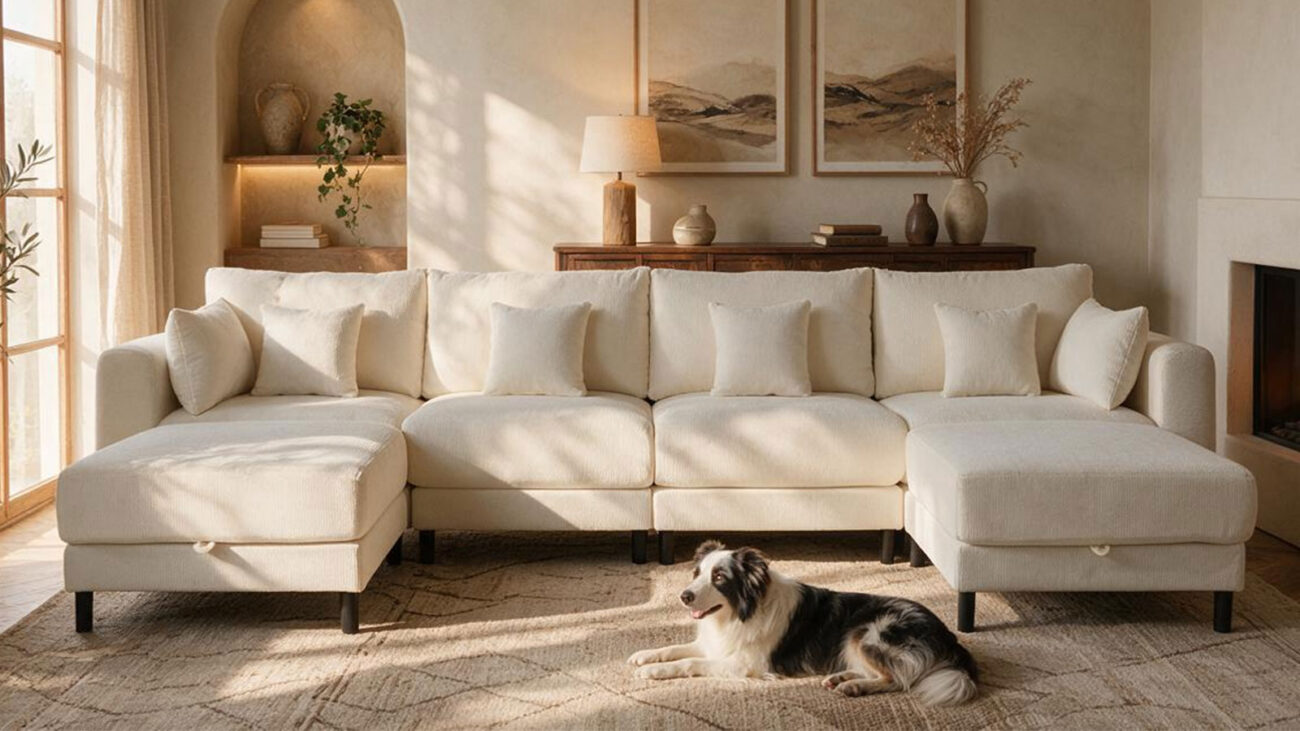
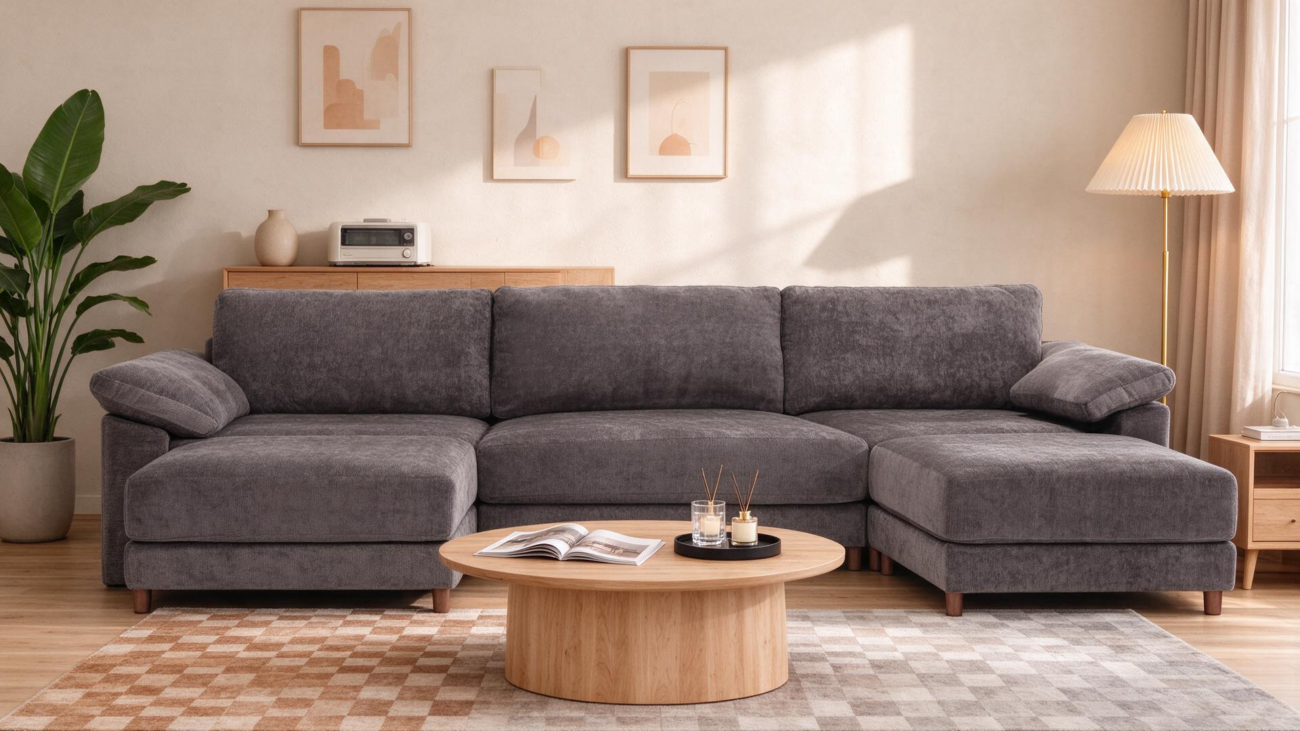
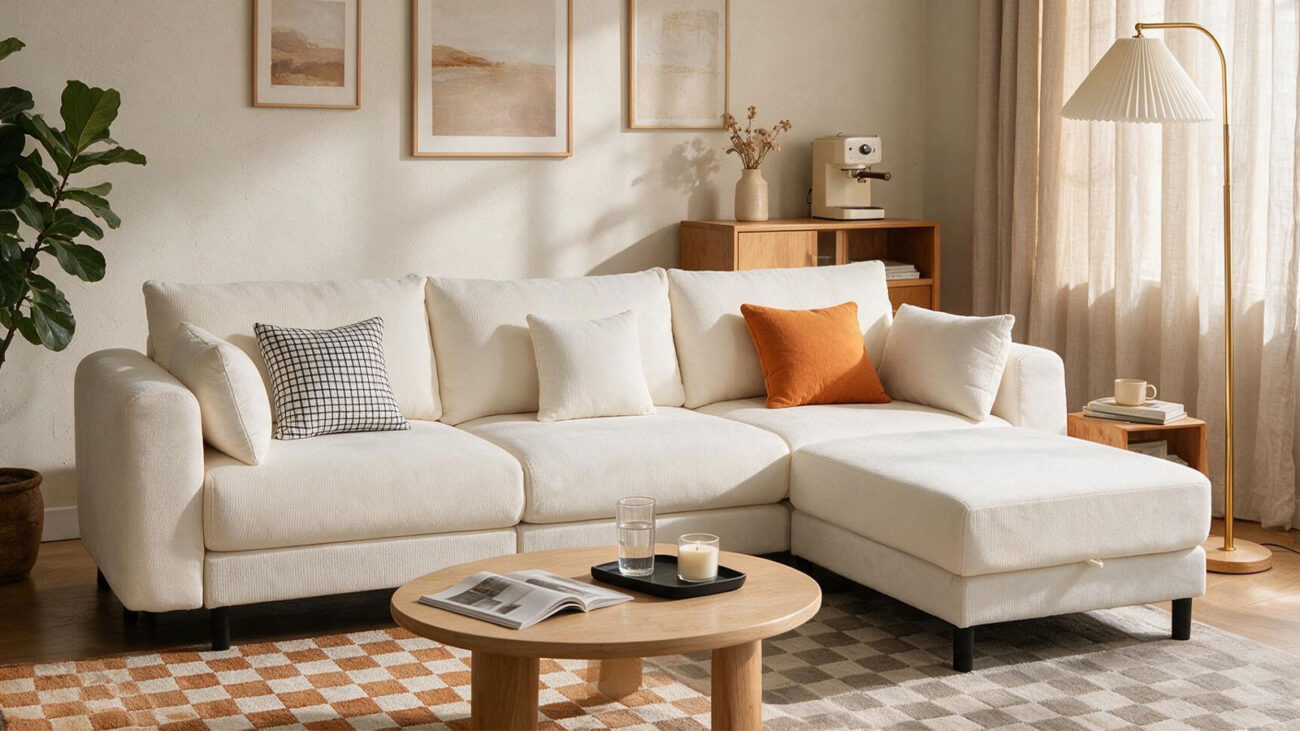
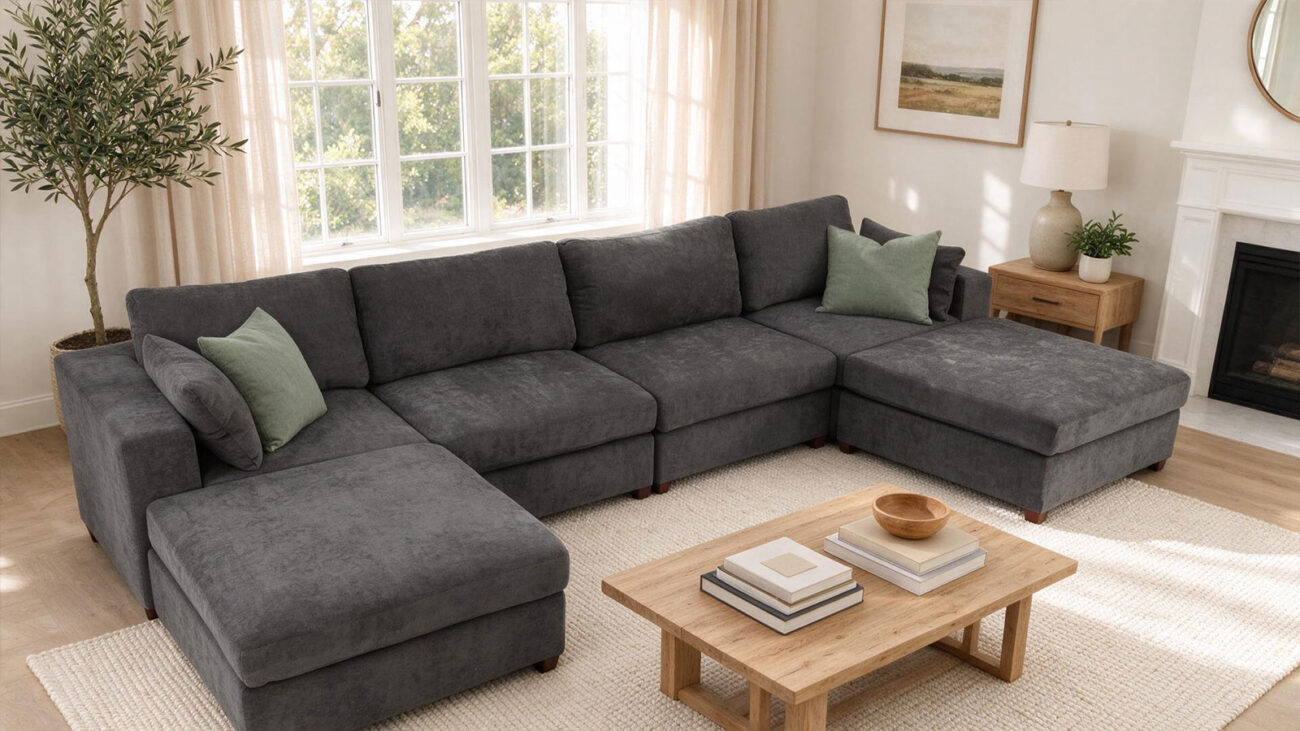
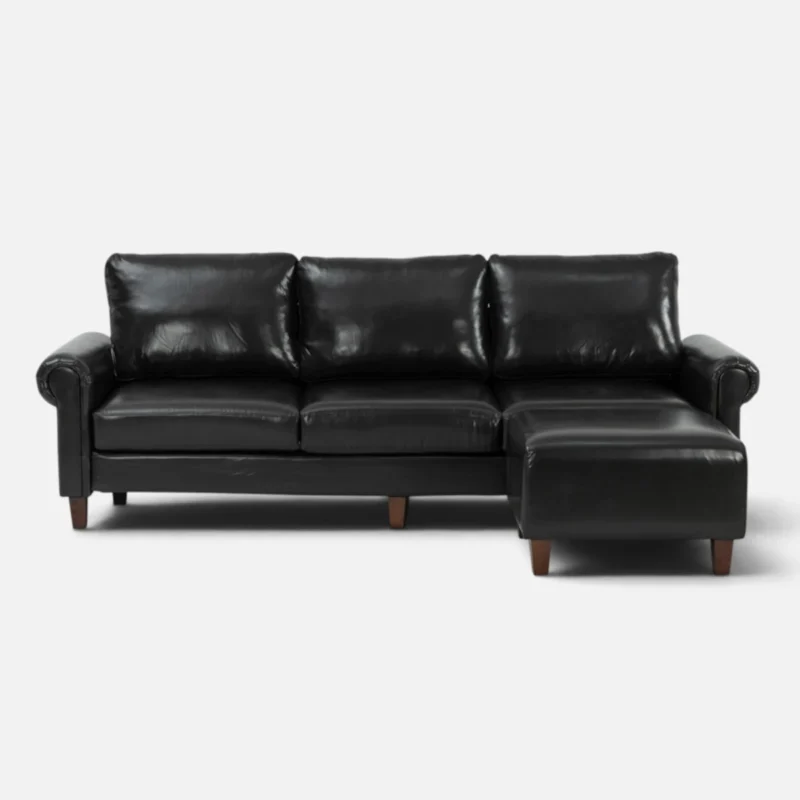
Once you understand the cushion questions, apply the same checklist to the layout you want. The MastonHome 100-inch L-Shaped Sectional Sofa, Velvet Couch with Ottoman is an option to explore if you are looking for that upholstery style and seating arrangement.
Compare the sofa-and-ottoman footprint with your room plan, then confirm the exact selected configuration and dimensions. Ask for the seat-core specifications alongside the product’s other construction details.
Choose the look and layout you enjoy, backed by the cushion information you need. A product’s velvet appearance or L-shaped silhouette does not establish its foam grade, so assess those decisions separately.
Frequently Asked Questions
Is High-Density Foam the Same as High-Resilience Foam?
No. Density describes mass per unit volume; HR describes a foam category with particular resilience and support characteristics. Request the actual specifications rather than treating the terms as interchangeable.
Does Firmer Foam Last Longer?
Firmness alone does not establish durability. Compare foam grade, density, fatigue information, cushion dimensions, and the finished seat construction, then choose the feel you prefer.
Is Memory Foam Better Than HR Foam for a Sofa?
They offer different responses: memory foam recovers slowly, while HR foam is more springy. Compare their role within the complete cushion and try the seat; neither label alone proves better long-term performance.
How Many Years Should Sofa Cushion Foam Last?
A foam label alone cannot give a reliable number of years. Ask for applicable durability data, maintenance guidance, and warranty coverage, and consider how frequently the sofa will be used.
Choose the Complete Seat, Not Just a Foam Label
Finding the best foam for sofa cushions means combining documented material specifications with a seat that feels right for you. Compare the core, surrounding layers, support system, and replacement options before making your decision.
Ready to evaluate an L-shaped velvet option? View the MastonHome sectional with ottoman and use the checklist above to confirm its cushion construction before ordering.
 FREE SHIPPING